
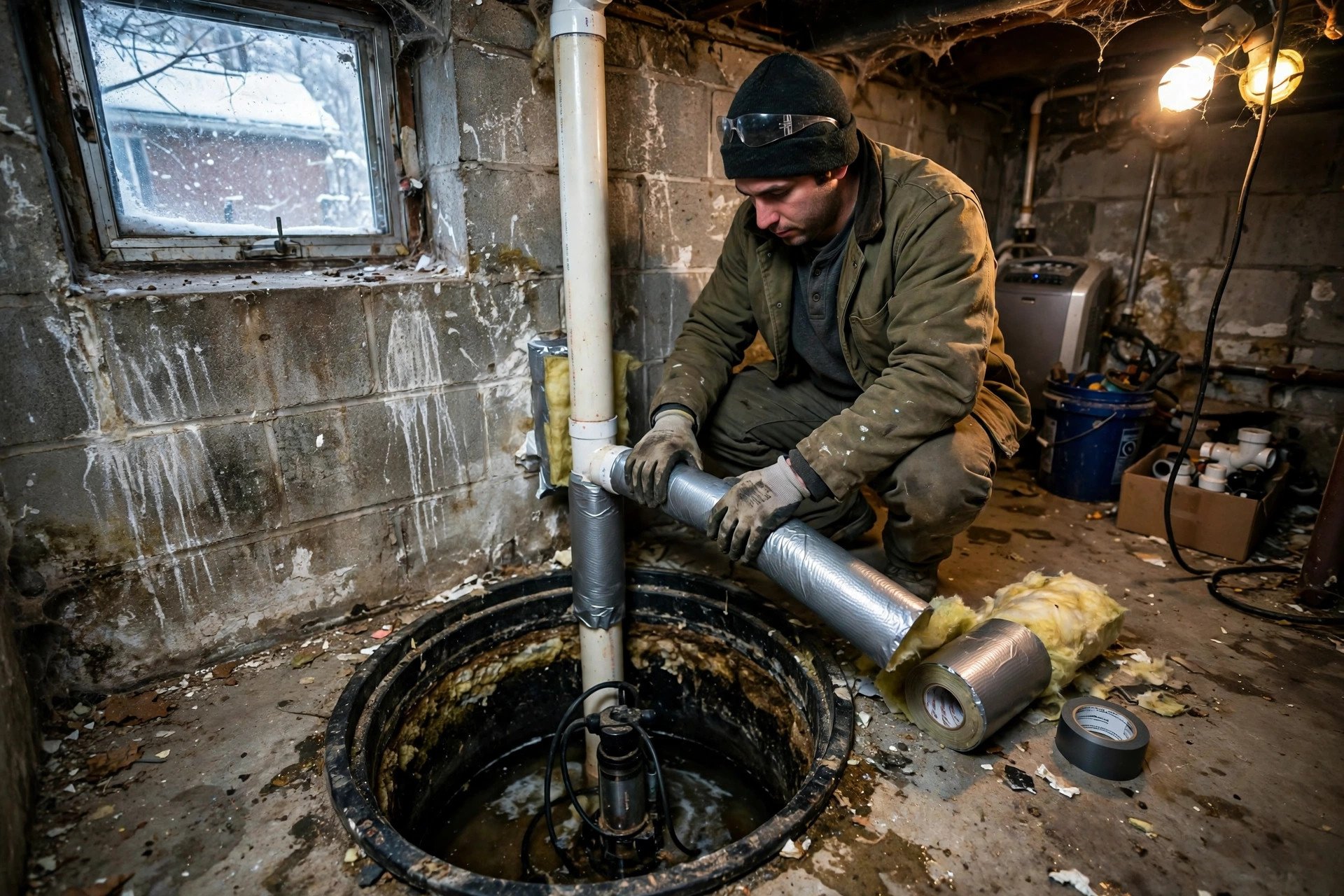
South Waterfront sits along the Detroit Riverfront where basements and lower-level units face unique flooding risks from storm surge, spring thaw and heavy summer storms. At Plumbing Service Detroit LLC, based in Detroit with Mon–Fri 8am–6pm and Sat 9am–2pm hours, we specialize in sump pump installation that fits the block-by-block realities of South Waterfront — from riverfront condos to older masonry walkouts. We bring solutions sized for tight pit access, bulkhead drainage and homes with shared alley ways and tight curb cuts.
Many properties in South Waterfront were adapted from light-industrial and warehouse uses or built as early‑ to mid‑20th‑century housing, so we plan installs around older concrete floors, limited interior access and occasional high groundwater near the river. We also coordinate drainage tie‑ins when needed and can recommend where a secondary (backup) pump or battery system should live to protect finished lower levels during Detroit’s cold snowy winters and warm, stormy summers.
Around South Waterfront
We regularly work near:
- 📍Jefferson Avenue
- 📍Atwater Street
- 📍Gabriel Richard Park
- 📍MacArthur Bridge
- 📍Detroit RiverWalk
Sump Pump Installation in South Waterfront — Local Notes
- •Many parcels in South Waterfront are low elevation along the Detroit River; that raises groundwater and means we often dig shallower pits with extra perimeter drainage and consider sealed covers to prevent river splashback into the sump basin.
- •Street access for equipment is frequently via Jefferson Avenue, Atwater Street or neighborhood alleys; tight curb and bulkhead parking often require small excavators or hand‑digging and staged deliveries to avoid blocking the RiverWalk.
- •A high share of buildings are older concrete slab or masonry foundations; we routinely detail concrete coring and patching plans so installations don’t compromise historic floors and so owners can inspect workmanship after the job.
- •Seasonal freeze/thaw in Wayne County can cause discharge line freeze or heaved piping, so we route discharge lines above grade where possible or install heat‑trace and proper slope to keep the pump functional through snowy winters and spring melt.